The automotive industry is undergoing one of the most transformative periods in its history. Driven by technological breakthroughs, environmental concerns, and changing consumer expectations, electric vehicles (EVs) are redefining how we think about transportation. What was once a niche segment has rapidly evolved into a central pillar of modern automotive strategy.
This shift is not just about replacing engines with batteries; it represents a fundamental rethinking of vehicle design, manufacturing, and ownership.
The Evolution of Electric Vehicles
Electric vehicles are not a new invention, but their modern resurgence has been fueled by advances in battery efficiency, software integration, and charging infrastructure. Early EVs struggled with limited range and long charging times, making them impractical for mass adoption. Today, many electric models rival or exceed traditional vehicles in performance, comfort, and reliability.
Key milestones in EV evolution include:
-
Improved lithium-ion and solid-state battery research
-
Lightweight materials for better efficiency
-
Smart energy management systems
These innovations have pushed EVs from experimental concepts into everyday reality.
Why the Automotive Industry Is Going Electric
Several factors are accelerating the transition toward electric mobility. Governments, manufacturers, and consumers are increasingly aligned around sustainability and long-term cost efficiency.
Environmental Impact
Electric vehicles produce zero tailpipe emissions, significantly reducing urban air pollution. When paired with renewable energy sources, their overall carbon footprint can be far lower than that of internal combustion engine vehicles.
Economic Advantages
While upfront costs can be higher, EVs often deliver savings over time due to:
-
Lower maintenance requirements
-
Reduced fuel costs
-
Fewer mechanical components prone to wear
Performance and Driving Experience
Electric motors provide instant torque, resulting in smoother acceleration and quieter operation. Many drivers also appreciate the simplified driving dynamics and advanced driver-assistance technologies commonly found in EVs.
Battery Technology: The Heart of Modern EVs
The battery is the most critical component of any electric vehicle. Ongoing research focuses on increasing energy density while reducing charging time and cost.
Current developments emphasize:
-
Solid-state batteries for higher safety and capacity
-
Faster DC fast-charging solutions
-
Enhanced battery recycling processes
These improvements are essential for making electric vehicles accessible to a broader audience.
Charging Infrastructure and Accessibility
One of the biggest challenges for widespread EV adoption has been charging availability. This is changing rapidly as public and private investments expand charging networks.
Charging options now include:
-
Home chargers for overnight convenience
-
Workplace charging stations
-
High-speed public chargers for long-distance travel
As infrastructure becomes more widespread, range anxiety continues to diminish.
How EVs Are Changing Automotive Design
Electric platforms allow designers greater freedom than traditional vehicle architectures. Without bulky engines and transmissions, manufacturers can reimagine interiors and exterior proportions.
Notable design shifts include:
-
Flat floors for increased cabin space
-
Aerodynamic body styles to improve efficiency
-
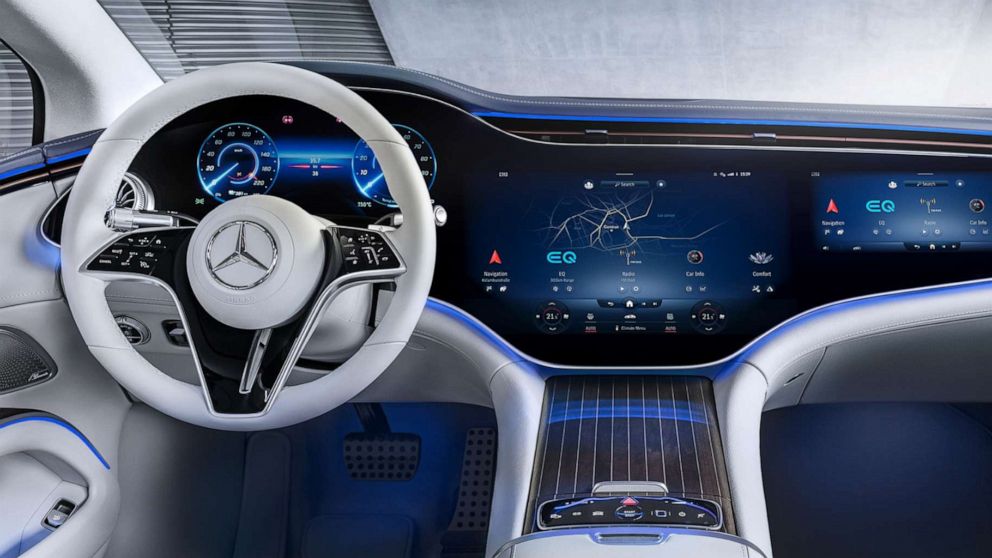
Digital dashboards and over-the-air software updates
These changes are shaping a new automotive aesthetic focused on efficiency and user experience.
Challenges Still Facing Electric Vehicles
Despite rapid progress, EVs are not without limitations. Key challenges include:
-
Battery raw material sourcing
-
Charging times compared to refueling
-
Grid capacity and energy demand management
Addressing these issues will require collaboration across industries, from energy providers to policymakers.
The Road Ahead for the Automotive Industry
The future of automotive mobility is increasingly electric, connected, and intelligent. As costs decline and technology matures, electric vehicles are expected to become the default choice for many consumers worldwide.
Manufacturers are also exploring integration with autonomous driving systems, shared mobility platforms, and smart city infrastructure, further expanding the role of EVs beyond personal transportation.
Frequently Asked Questions (FAQs)
1. Are electric vehicles suitable for long-distance travel?
Yes, with expanding fast-charging networks and improved battery ranges, long-distance travel in EVs is becoming more practical.
2. How long do electric vehicle batteries typically last?
Most EV batteries are designed to last 8–15 years, depending on usage, climate, and charging habits.
3. Do electric vehicles require less maintenance than traditional cars?
Generally, yes. EVs have fewer moving parts and do not require oil changes or exhaust system maintenance.
4. Can electric vehicles perform well in extreme weather?
Modern EVs are engineered to handle various climates, though cold temperatures can temporarily reduce range.
5. Are electric vehicles truly better for the environment?
Over their lifetime, EVs usually produce fewer emissions than gasoline vehicles, especially when powered by clean energy.
6. Is home charging necessary to own an electric vehicle?
While not mandatory, home charging offers convenience and can significantly reduce reliance on public charging stations.
7. Will electric vehicles eventually replace gasoline cars entirely?
While the transition will take time, many experts expect EVs to dominate new vehicle sales in the coming decades.
