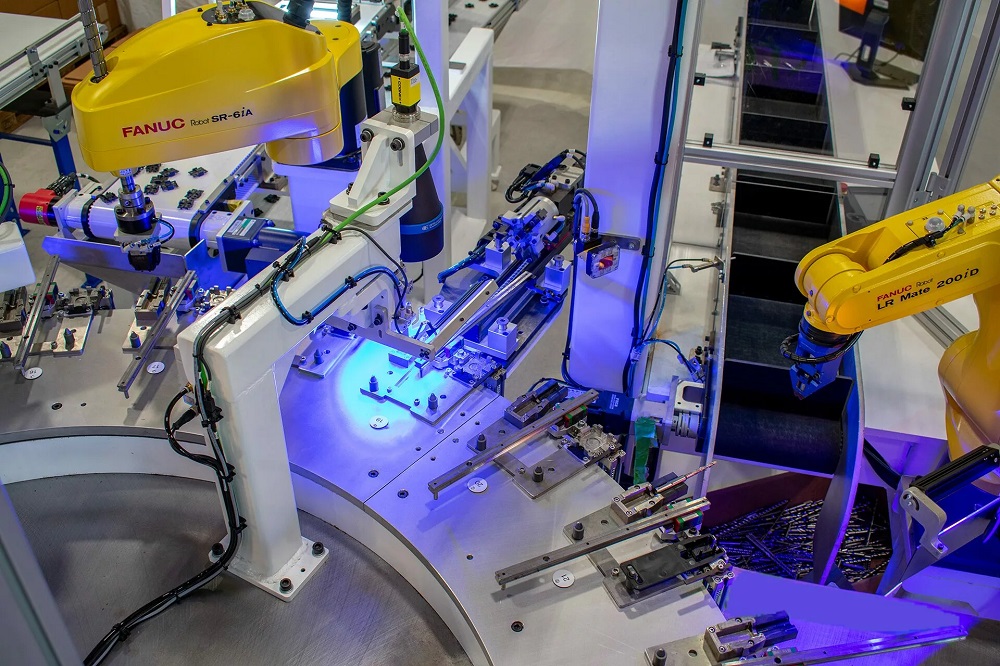
Industry is one of the most influential pillars of economic development. It transforms raw materials into usable products, supports innovation, and creates employment opportunities across the world. From traditional manufacturing plants to highly automated smart factories, industry continues to evolve in response to technological advancement and societal needs.
What Does Industry Mean?
Industry refers to organized economic activities that involve the production of goods or the delivery of services. It connects natural resources with consumers by converting inputs into valuable outputs. Over time, industrial systems have expanded beyond physical production to include knowledge-based and service-oriented operations.
Classification of Industries
Industries are broadly divided based on the type of work they perform and their role in the economy.
Primary Industry
The primary sector is responsible for extracting resources directly from nature. These activities form the foundation for all other industries.
Examples include:
-
Crop cultivation and livestock farming
-
Mining and oil extraction
-
Fishing and timber harvesting
Secondary Industry
The secondary sector focuses on processing and manufacturing. It converts raw materials into finished or semi-finished goods for consumers or other industries.
Key areas include:
-
Manufacturing and assembly plants
-
Construction and infrastructure development
-
Food and beverage processing
Tertiary Industry
Known as the service sector, this industry supports individuals and businesses without producing tangible goods.
Common services include:
-
Transportation and logistics
-
Healthcare and education
-
Banking, retail, and hospitality
Advanced Industrial Sectors
Modern economies recognize additional classifications:
-
Quaternary industry, centered on research, information technology, and innovation
-
Quinary industry, focused on social and personal services such as healthcare and public welfare
Role of Industry in Economic Growth
Industrial development plays a vital role in strengthening national economies and improving quality of life.
Major contributions include:
-
Employment generation across multiple skill levels
-
Increased productivity through large-scale production
-
Technological innovation that enhances efficiency
-
Economic stability by diversifying income sources
Impact of Technology on Industry
Technology has reshaped industrial operations worldwide. Automation and digital tools have increased speed, accuracy, and scalability.
Key technological influences include:
-
Robotics in manufacturing processes
-
Artificial intelligence for decision-making
-
Internet of Things (IoT) in smart factories
-
Digital supply chain management
These advancements help industries remain competitive in a rapidly changing global marketplace.
Sustainability in Industrial Development
Environmental responsibility is now a central concern for industries. Sustainable practices aim to balance growth with environmental protection.
Common approaches include:
-
Energy-efficient production systems
-
Use of renewable energy sources
-
Reduction of industrial waste
-
Adoption of eco-friendly materials
Industries that prioritize sustainability often gain long-term economic and social benefits.
Challenges Faced by the Industrial Sector
Despite its importance, the industrial sector faces ongoing challenges that require adaptation and strategic planning.
Key challenges include:
-
Fluctuating raw material prices
-
Labor shortages and skill gaps
-
Environmental regulations
-
Supply chain disruptions
-
Rapid technological change
Overcoming these obstacles demands innovation, workforce development, and resilient business strategies.
Conclusion
Industry remains a cornerstone of modern civilization. Its ability to adapt to technological progress and environmental responsibility will determine future economic success. As industries continue to evolve, they will play an even greater role in shaping sustainable and inclusive growth worldwide.
Frequently Asked Questions (FAQs)
1. Why is industry important to a country’s economy?
Industry boosts production, creates jobs, and strengthens a nation’s economic foundation.
2. How does industry contribute to employment?
It provides jobs across manufacturing, services, research, and management sectors.
3. What is the difference between primary and secondary industries?
Primary industries extract raw materials, while secondary industries process those materials into products.
4. How has automation changed industrial work?
Automation has improved efficiency, reduced errors, and shifted demand toward skilled labor.
5. What role does sustainability play in modern industry?
Sustainability helps industries reduce environmental impact while ensuring long-term growth.
6. Are service-based industries considered part of industry?
Yes, service-based activities fall under the tertiary and higher industrial sectors.
7. What does the future look like for global industries?
The future points toward smarter, greener, and more technology-driven industrial systems.
