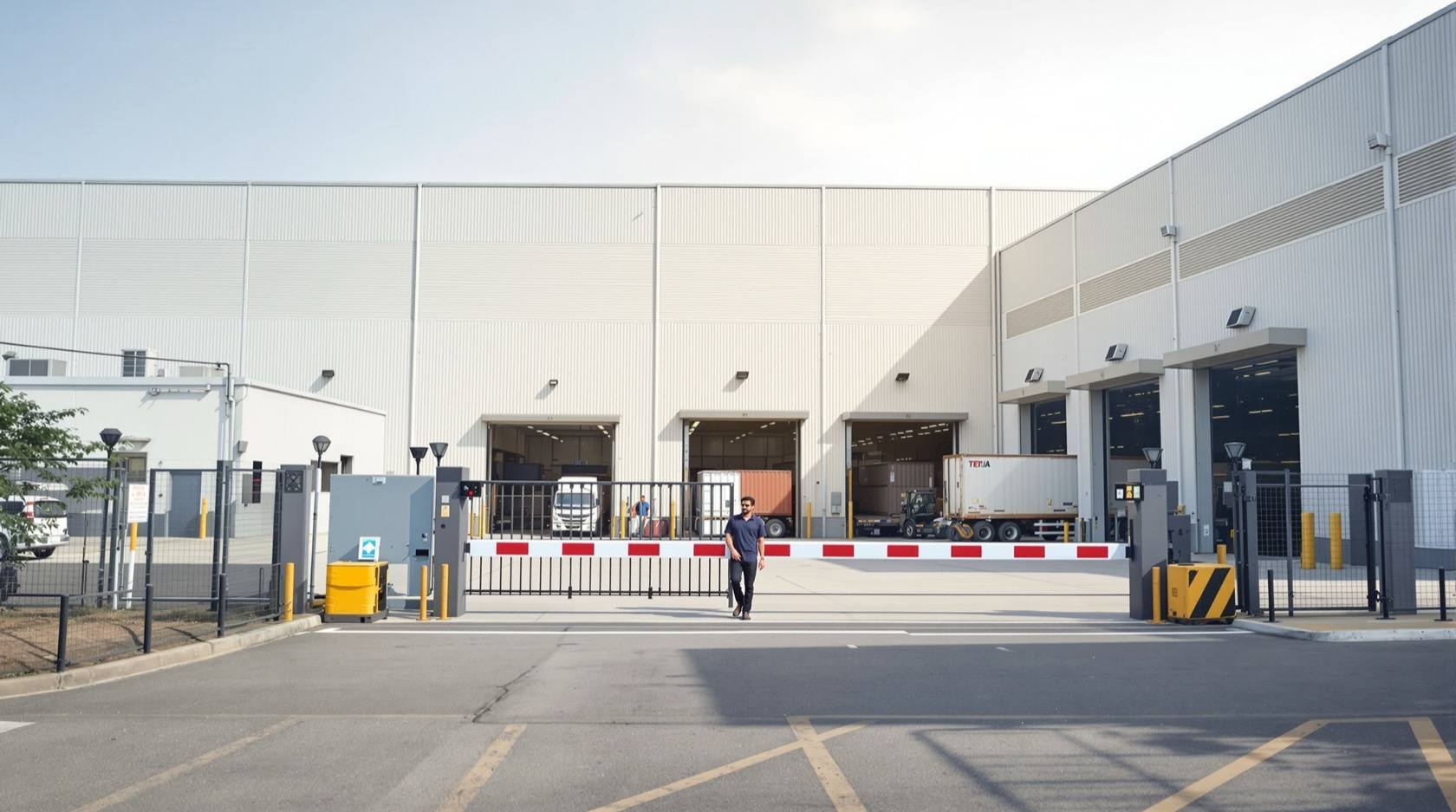
The concrete truck pulls away from a new refrigerated distribution center and the owner is already behind. The racking isn’t in. Ammonia commissioning is still weeks out. And in a few months, the first notice of appraised value will land with a per-square-foot number built for a very different kind of building.
Cold storage has been one of the hottest industrial asset classes of the last decade, and the tax rolls are catching up fast. Assessors see new construction, pull the permit values, and reach for the cost approach. Owners see the bill and wonder how a half-leased freezer building got assessed like a trophy warehouse.
The decisions that determine who’s right get made long before the appeal hearing.
Decide Which Valuation Approach Fits the Building
The first real choice is methodology, and it usually gets made for you if you don’t push. Assessors default to the cost approach on new or specialized industrial product because the numbers are easy to pull: construction cost, depreciation schedule, land. For cold storage, that default is where overassessment is born.
Construction costs for a ground-up refrigerated facility run roughly two to three times what a comparable dry warehouse costs, because the shell, insulation, slab, and refrigeration package are a different animal. Capitalize all of that into assessed value, and you’ve valued the building like a premium asset even when the rent roll says otherwise. Owners who want the income approach taken seriously often bring in a commercial property tax advisor early, before the first notice lands, so the file is built around what the building actually produces.
The income approach tells a different story, and for a leased or owner-operated distribution facility, it’s usually the more honest one. There’s a published argument from NAIOP that methodology choice is the single biggest driver of industrial tax outcomes, and that highest-and-best-use analysis has to come before anyone picks a number. Pick your approach early; build the file to support it.
Decide Whether to Fight the Special-Purpose Label
Assessors love to classify refrigerated buildings as “special purpose.” The label is convenient because it lets them skip the comparable-sales conversation and lean on reproduction cost, which almost always produces a higher number. Accept the label without a fight and you’ve agreed to be valued as if the building has little use beyond what it is today.
The counterargument is that many cold storage buildings are not truly single-use. A modern refrigerated distribution center sits on an industrial pad with dock doors, clear heights, and power service that could serve a range of tenants if the refrigeration were stripped out.
The decision in front of you is whether to accept the label as given or make the assessor defend it.
Decide What the Vacancy Number Should Actually Be
Cold storage was underbuilt for years, then overbuilt in a hurry. The absorption picture today doesn’t look like the one assessors are still modeling. If your valuation assumes the sector is full and renting at peak, and your building is sitting well below stabilized occupancy with tenants on renewal fences, the assessed value is working off the wrong numbers.
This is where owners leave money on the table. The assessor won’t update the vacancy assumption on their own, and “the market is softer now” is a feeling, not an argument. The decision is whether you’re going to put together a defensible picture of actual and stabilized occupancy for your building, or let the mass-appraisal model keep running on last cycle’s assumptions.
Decide When to File, Not Whether
Protest windows are short and unforgiving, and they vary by jurisdiction. Some places give you 30 days from the notice of appraised value. Others run to a fixed statutory date. In a handful, you get one bite per cycle and missing it locks in the number for the year. Check the deadline the week your notice arrives, not the week you were planning to deal with it.
For specialized industrial product, venue matters too. Many jurisdictions offer a higher-level panel or specialized hearing for larger commercial, industrial, and multifamily properties where the stakes and the valuation complexity justify a longer look. Deciding early which track you’re on changes what evidence you prepare and who you bring to the hearing.
The Buildings Are New – The Tax Playbook Isn’t
Cold storage is a legitimately expensive asset class to build and operate, and some portion of the higher assessment is real. The problem is the portion that isn’t. The methodology default. The special-purpose shortcut. The stale vacancy assumption. The missed deadline. Each one is a decision, even when nobody consciously makes it.
Owners who treat them as decisions keep the tax bill tied to what the building actually produces.
