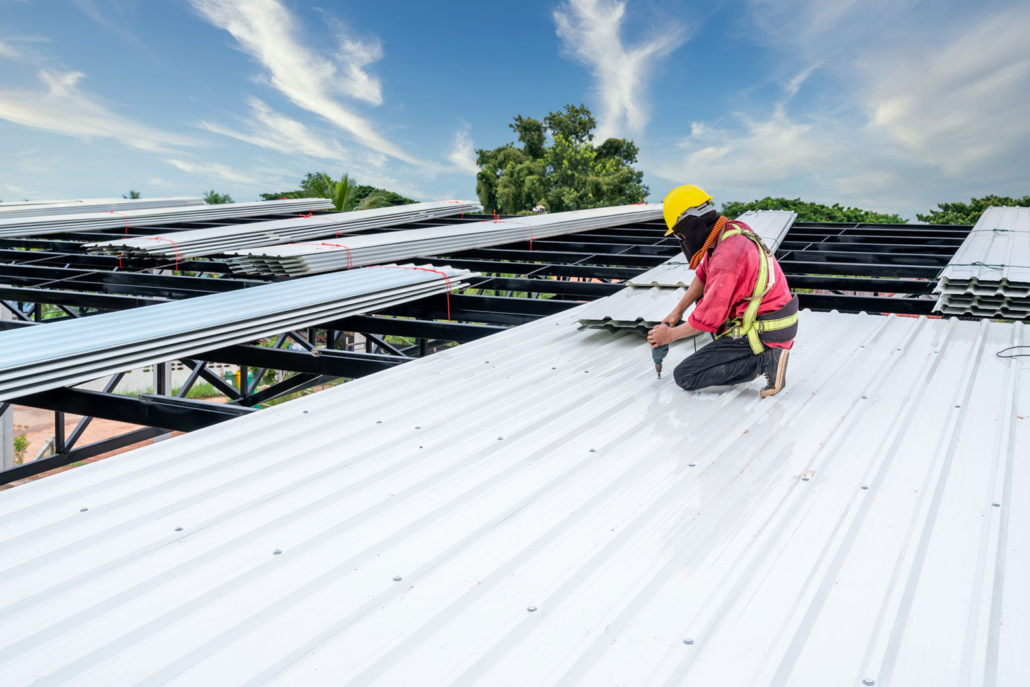
A commercial roof works hard, especially across Australia’s tough climate. From scorching summer heat to sudden storms, the strain adds up over time. Knowing when to act can save you from larger problems and costly downtime.
Many building owners only think about commercial roof repairs in Perth after a leak appears or water stains spread across the ceiling. By then, the damage may already be widespread. Spotting the early signs gives you the chance to fix small issues before they become major ones.
This guide walks you through the common warning signs to watch for. If you manage a warehouse, office block, or retail space, knowing what to look for helps you plan ahead. Booking commercial roof repairs early often costs far less than waiting for a full replacement.
Visible Leaks and Water Stains
Water marks on internal ceilings or walls are one of the clearest signals. Even a small stain can point to a larger problem above. After heavy rain, check storerooms, ceiling tiles, and corners for damp patches. Persistent leaks weaken the structure and can damage stock, electrical systems, and insulation.
Ponding Water on Flat Roofs
Flat and low-slope roofs are common on Australian commercial buildings. After rain, water should drain away within a day or two. If puddles linger, you have a ponding problem. Standing water adds weight, breaks down roofing materials, and speeds up wear. Blocked drains and sagging sections often make this worse.
Rust and Corrosion
Many local commercial roofs use metal sheeting. Coastal areas, with salty air and humidity, accelerate rust. Look for orange or brown discolouration, flaking, and weak spots around fixings and seams. Once rust spreads, it eats into the metal and lets water in.
Membrane Damage
Buildings with membrane roofing should be checked for cracks, blisters, and lifted seams. UV exposure and heat cause membranes to dry out and split over time. Damaged membranes lose their waterproof seal and let moisture reach the layers below.
Rising Energy Costs
If your cooling bills climb without reason, your roof might be the cause. Poor insulation or damaged roofing lets heat in during summer and escape in winter. A roof that no longer performs forces your air conditioning to work harder.
Storm Damage
Australian storms can be fierce, bringing hail, strong winds, and flying debris. After severe weather, inspect for dented sheets, loose flashing, and missing fasteners. Even minor storm damage can open the door to leaks down the track.
Ageing Materials
Every roof has a lifespan. Older roofs that show widespread wear, repeated repairs, and fading materials may be near the end of their service life. When patching no longer holds up, full replacement becomes the sensible choice.
Quick Inspection Checklist
- Check ceilings for stains after rain
- Look for ponding on flat sections
- Inspect metal for rust and corrosion
- Examine membranes for cracks or blisters
- Review energy bills for unexpected rises
- Assess for storm damage after wild weather
Regular checks help you catch issues early. If you notice several of these signs, arrange a professional inspection to understand whether repair or replacement is the better path.
