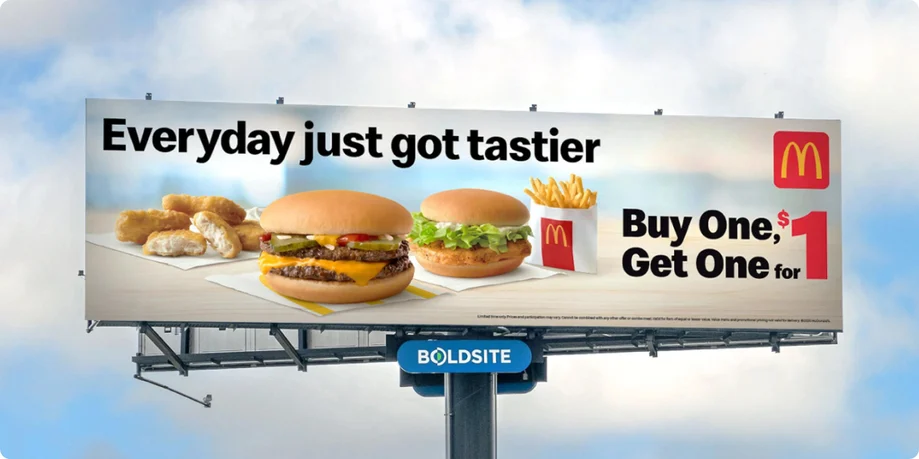
Advertising is a strategic communication tool used by businesses to promote products, services, or ideas to a targeted audience. It blends creativity, psychology, and data to influence consumer behavior and build long-term brand value. In today’s competitive marketplace, effective advertising is not optional—it is essential.
What Is Advertising?
Advertising is a paid form of non-personal communication delivered through various media channels to inform, persuade, or remind audiences about a brand offering. Its core objective is to connect the right message with the right people at the right time.
Key characteristics of advertising include:
-
Paid communication controlled by the advertiser
-
Identifiable sponsor behind the message
-
Mass or targeted reach depending on the medium
-
Persuasive intent aimed at influencing decisions
The Purpose of Advertising
Advertising serves multiple business and societal goals beyond simple promotion.
Primary Objectives of Advertising
-
Brand Awareness: Introduces a brand to new audiences
-
Product Promotion: Highlights features, benefits, and use cases
-
Customer Engagement: Encourages interaction and emotional connection
-
Sales Growth: Drives conversions and repeat purchases
-
Brand Loyalty: Reinforces trust and long-term relationships
Effective advertising aligns these objectives with measurable outcomes.
Types of Advertising
Advertising takes many forms, each suited to different audiences and goals.
Traditional Advertising
Traditional methods remain influential, especially for mass-market reach.
-
Print Advertising: Newspapers, magazines, brochures
-
Broadcast Advertising: Television and radio commercials
-
Outdoor Advertising: Billboards, transit ads, posters
Digital Advertising
Digital advertising dominates modern marketing due to its precision and scalability.
-
Search Engine Advertising: Paid search listings
-
Social Media Advertising: Sponsored posts and stories
-
Display Advertising: Banner and video ads on websites
-
Native Advertising: Ads blended seamlessly with content
-
Influencer Advertising: Promotions through trusted personalities
Key Elements of Effective Advertising
Successful advertising campaigns share several critical components.
-
Clear Message: Simple, focused, and audience-centric
-
Strong Visuals: Eye-catching imagery or video
-
Compelling Copy: Emotionally engaging and action-oriented
-
Consistent Branding: Unified tone, colors, and identity
-
Clear Call-to-Action: Tells the audience what to do next
When these elements work together, advertising becomes memorable and impactful.
The Role of Creativity in Advertising
Creativity transforms ordinary promotions into unforgettable experiences. Storytelling, humor, emotional appeal, and originality help brands stand out in cluttered media environments. Creative advertising does more than sell—it builds meaning and identity around a brand.
Advertising in the Digital Age
Modern advertising relies heavily on data and technology.
Key Digital Advertising Trends
-
Personalization: Tailored messages based on user behavior
-
Programmatic Advertising: Automated ad buying using algorithms
-
Video-First Strategies: Short-form and interactive video ads
-
Mobile Advertising: Optimized ads for smartphones
-
Performance Tracking: Real-time analytics and optimization
These trends allow advertisers to improve efficiency while enhancing user experience.
Benefits of Advertising for Businesses
Advertising delivers measurable value when executed strategically.
-
Increases market visibility
-
Builds brand credibility
-
Supports new product launches
-
Helps differentiate from competitors
-
Provides scalable growth opportunities
Even small businesses can compete effectively with well-planned advertising campaigns.
Ethical and Responsible Advertising
Responsible advertising respects consumer rights and societal values. Ethical practices include honesty, transparency, and avoiding misleading claims. Brands that prioritize ethics build stronger trust and long-term loyalty.
The Future of Advertising
Advertising continues to evolve with technology and consumer expectations. Artificial intelligence, augmented reality, voice search, and immersive experiences are shaping the next generation of campaigns. The future belongs to brands that combine data-driven precision with human creativity.
Frequently Asked Questions (FAQs)
What is the difference between advertising and marketing?
Advertising is a component of marketing. Marketing includes research, pricing, distribution, and promotion, while advertising focuses specifically on paid promotional communication.
How does advertising influence consumer behavior?
Advertising shapes awareness, perceptions, and preferences by appealing to emotions, needs, and logic, ultimately guiding purchase decisions.
Is digital advertising more effective than traditional advertising?
Digital advertising offers better targeting and measurement, but traditional advertising can still be effective for broad reach and brand credibility.
How do businesses measure advertising success?
Success is measured using metrics such as impressions, click-through rates, conversions, return on investment, and brand awareness surveys.
What makes an advertising campaign successful?
Clear objectives, creative execution, accurate targeting, consistent messaging, and ongoing performance optimization contribute to success.
Can small businesses benefit from advertising?
Yes, small businesses can achieve significant growth through targeted, budget-friendly advertising strategies, especially in digital channels.
What role does creativity play in advertising effectiveness?
Creativity captures attention, improves recall, and builds emotional connections, making advertising messages more persuasive and memorable.
