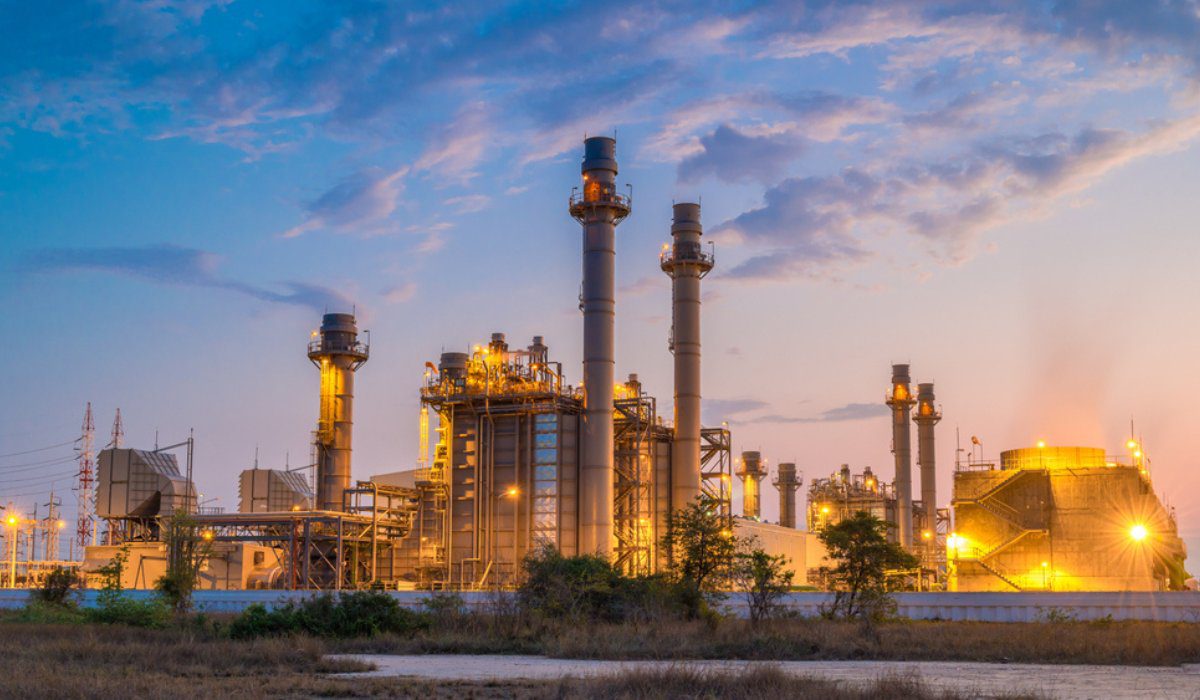
Industry plays a central role in shaping economies, societies, and technological progress. From manufacturing everyday consumer goods to powering innovation through advanced machinery and automation, industrial activities form the foundation of modern development. As global markets evolve, industries continue to adapt to new demands, sustainability goals, and digital transformation.
Understanding the Concept of Industry
At its core, industry refers to economic activities involved in the production of goods, extraction of resources, or provision of services. It bridges the gap between raw materials and finished products, enabling large-scale production and distribution.
Industries are not static. They grow, decline, and reinvent themselves based on technological advancements, consumer behavior, and global economic conditions.
Major Types of Industries
Industries are commonly categorized based on the nature of their activities. Each type plays a distinct role in economic systems.
Primary Industry
The primary industry focuses on extracting natural resources directly from the Earth. These resources often serve as inputs for other industries.
Examples include:
-
Agriculture and farming
-
Mining and quarrying
-
Fishing and forestry
Secondary Industry
The secondary industry involves processing raw materials into finished or semi-finished goods. This sector is closely associated with manufacturing and construction.
Key activities include:
-
Manufacturing automobiles, electronics, and textiles
-
Food processing
-
Building infrastructure and housing
Tertiary Industry
Also known as the service industry, this sector provides services rather than tangible goods. It supports both individuals and businesses.
Common examples:
-
Transportation and logistics
-
Healthcare and education
-
Banking, retail, and tourism
Quaternary and Quinary Industries
These modern classifications highlight knowledge-based and human-centric services.
-
Quaternary industry focuses on information, research, and technology
-
Quinary industry emphasizes social services such as healthcare, childcare, and community welfare
Importance of Industry in Economic Development
Industrial growth directly influences national and global economies. It generates employment, increases productivity, and drives innovation.
Key benefits include:
-
Job creation across skilled and unskilled labor
-
Economic diversification, reducing reliance on a single sector
-
Technological advancement through research and automation
-
Improved living standards via mass production of affordable goods
Technological Transformation in Industry
Modern industries are increasingly shaped by digital technologies. Automation, artificial intelligence, and data analytics are redefining how goods are produced and services delivered.
Notable trends include:
-
Smart factories using interconnected machines
-
Robotics improving efficiency and precision
-
Predictive maintenance reducing downtime
-
Digital supply chains enhancing transparency
These innovations help industries remain competitive in a fast-changing global market.
Sustainability and the Future of Industry
Sustainability has become a critical focus for industrial development. Environmental concerns and regulatory pressures are pushing industries toward greener practices.
Common sustainability initiatives:
-
Energy-efficient manufacturing processes
-
Use of renewable energy sources
-
Waste reduction and recycling
-
Environmentally friendly materials
Industries that embrace sustainable practices are better positioned for long-term growth and public trust.
Challenges Facing Modern Industries
Despite their importance, industries face several challenges that require strategic planning and adaptation.
Major challenges include:
-
Rising operational and energy costs
-
Supply chain disruptions
-
Skilled labor shortages
-
Environmental regulations and compliance
-
Rapid technological change
Addressing these challenges requires innovation, investment in human capital, and flexible business models.
Conclusion
Industry remains a driving force behind economic stability and progress. As technology advances and sustainability becomes a priority, industries must evolve to stay relevant. Those that successfully balance efficiency, innovation, and responsibility will shape the future of global development.
Frequently Asked Questions (FAQs)
1. What is the main purpose of industry in an economy?
Industry transforms raw materials into goods and services, supporting employment, trade, and overall economic growth.
2. How does industry differ from commerce?
Industry focuses on production, while commerce deals with the distribution and exchange of goods and services.
3. Why is industrialization important for developing countries?
Industrialization boosts job creation, improves infrastructure, and reduces dependence on imports.
4. What role does technology play in modern industry?
Technology increases efficiency, reduces costs, improves product quality, and enables innovation.
5. How are industries addressing environmental concerns?
Many industries adopt cleaner energy, sustainable materials, and waste-reduction practices to minimize environmental impact.
6. What skills are most in demand in today’s industrial sector?
Technical skills, digital literacy, engineering expertise, and problem-solving abilities are highly valued.
7. Can small-scale industries compete with large corporations?
Yes, small-scale industries can compete by focusing on niche markets, quality, customization, and innovation.
